
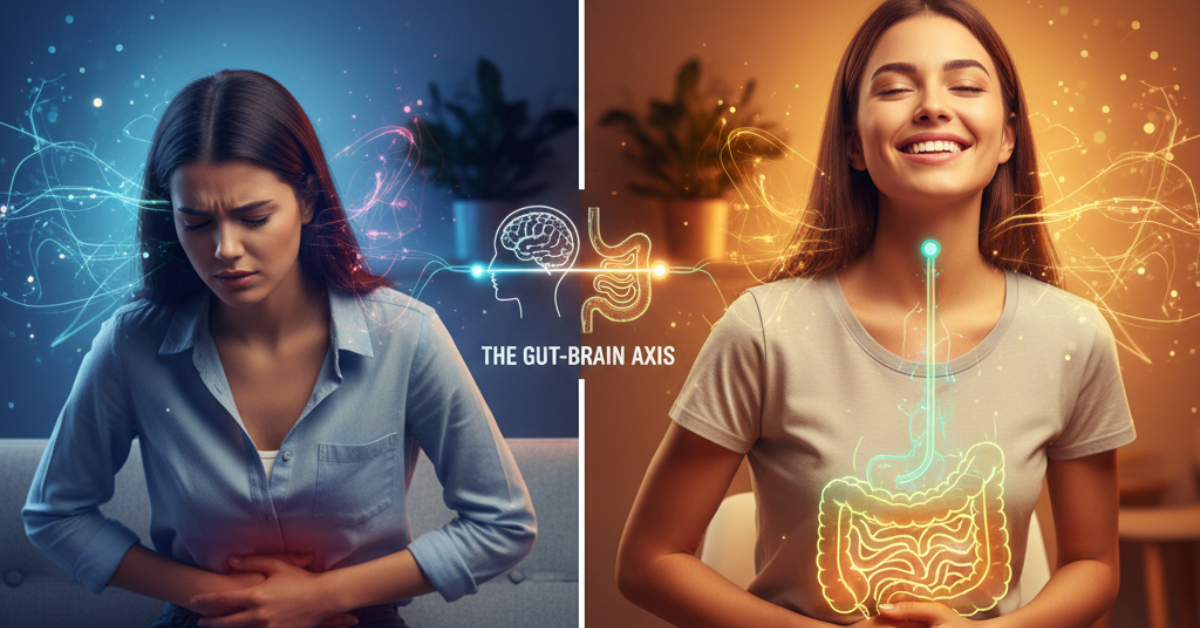
🧠 Anxiety about the Gut-Brain Connection: Why Your Stomach and Mind are Connected
*** The information shared here is not medical or diagnostic advice. This article contains affiliate links, meaning I earn a commission if you make a purchase through them. ***
Your heart is racing again. That too-familiar tightness in your chest makes it hard to breathe. Your mind races through worst-case scenarios, even though a part of you knows rationally that everything is probably OK. You feel on edge, restless, unable to relax no matter what you try. Welcome to another day of living with anxiety.
But probably you can guess where this is going: your anxiety doesn’t just live in your head. When you’re anxious, your stomach churns. You feel nauseous. Butterflies flutter in your belly—except they’re not the good kind. You might have bloating, or cramping, or that urgent need to find a bathroom right now. Some days the digestive symptoms come first, and the anxiety follows. Other days, it’s the opposite.
Maybe you’ve tried to tackle the anxiety by trying different approaches. Breathing exercises. Meditation apps. Therapy. While some of these help, you can’t shake this feeling that something deeper is going on. You notice, in general, how anxious you are tends to rise and fall with your digestion. If your digestion is poor, your anxiety increases. When your tummy is upset, your mood decreases. When you’re bloated and out of sorts, you feel more on edge and irritable.
You’re not imagining this connection. You’re experiencing what science is increasingly validating—the gut-brain connection. There’s a constant dialogue, via the complex network of nerves, hormones, and biochemical signals between your digestive system and your brain. A malfunctioning gut may not only set off digestive disorders but may also directly influence your mental and emotional condition and even your levels of anxiety.
For years, doctors treated the mind and body as separate entities. Anxiety was purely a mental health issue. Digestive problems were purely physical. But now we know that this separation is artificial. Your gut and your brain are so intimately connected that today scientists even refer to the gut as your “second brain.” And when one isn’t working properly, the other suffers too.
If you have had to cope with both anxiety and problems with digestion, you are not dealing with two separate problems. You are experiencing two sides of the same coin: a disrupted gut-brain axis that’s affecting both your mental wellness and digestive health.
🔬 Understanding the Gut-Brain Highway
Now, let’s talk about what is actually transpiring within your body. The connection between your gut and brain isn’t metaphorical, it’s a physical, measurable communication system: the gut-brain axis. By means of this bidirectional highway, your gut and brain are in constant communication.
- The Vagus Nerve is the major physical connection, running from your brainstem down to your abdomen, touching nearly every major organ along the way. It carries signals in both directions. When your brain is stressed, it sends signals down to your gut. When your gut is inflamed or imbalanced, it sends distress signals back up to your brain.
But that’s not all: Your gut manufactures some 90 percent of your body’s serotonin—that very same neurotransmitter those antidepressant medications act upon to stabilize mood. It also makes a lot of dopamine and GABA, two other key neurotransmitters that impact mood, motivation, and anxiety levels.
Your gut microbiome—those trillions of bacteria residing in your digestive system—plays an enormous role in that communication. These microorganisms don’t just help digest food. They manufacture neurotransmitters, influence hormone production, regulate inflammation, and directly impact brain chemistry. When your gut bacteria are in balance, they support mental well-being. When they’re out of whack, they can contribute to anxiety, depression, and other mood disorders.
Think about it: when you’re nervous, you get “butterflies” in your stomach. When you’re terrified, you might feel like you’re going to throw up. When you’re stressed, you might experience diarrhea or constipation. These aren’t separate reactions—they’re evidence of the gut-brain connection in action.
💥 Why Gut Imbalance Fuels Anxiety
So, what goes wrong? When your gut microbiome becomes unbalanced—a condition called dysbiosis—several things happen that directly contribute to anxiety.
1. Neurotransmitter Deficiency
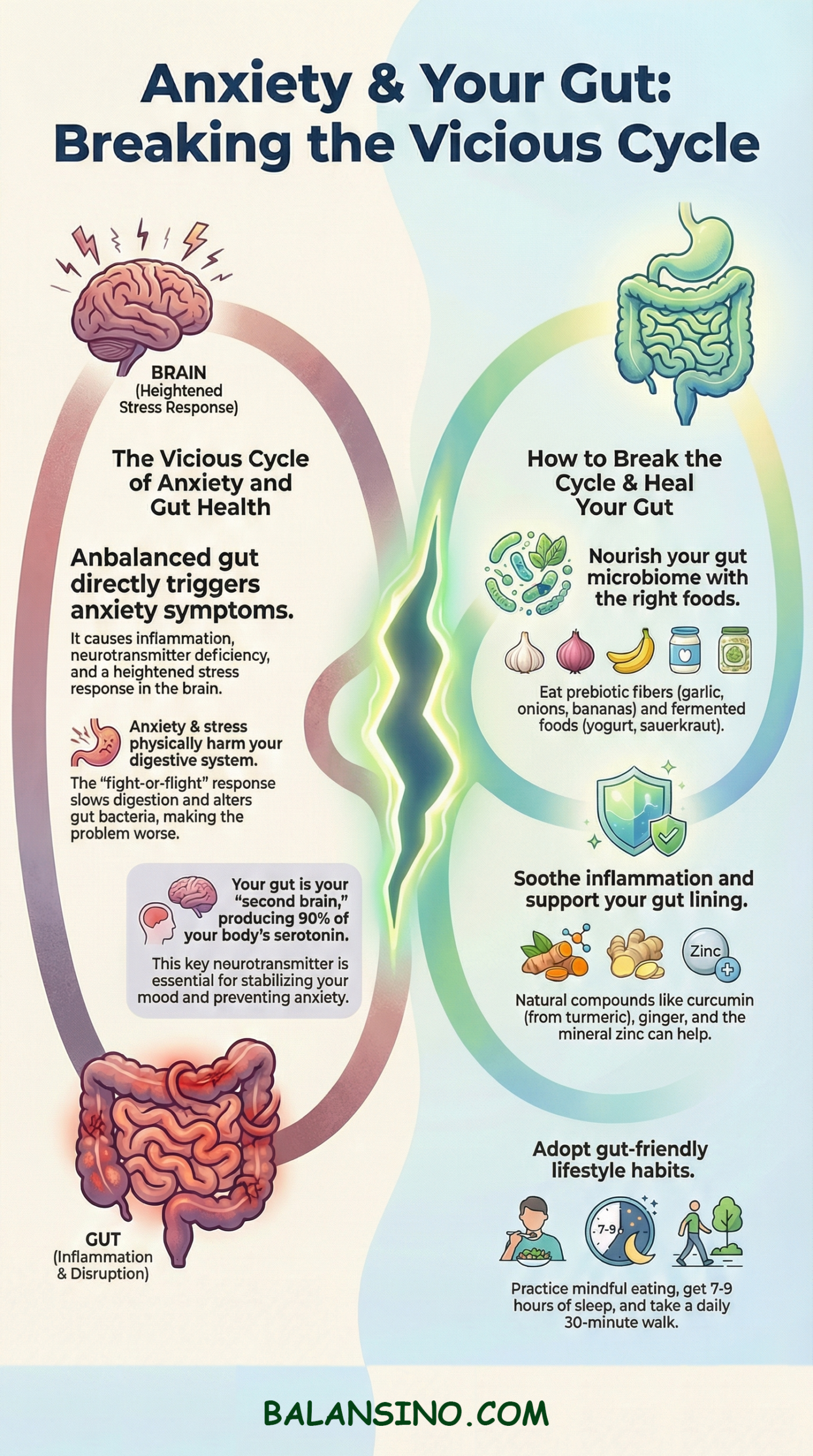
An unhealthy gut makes less serotonin, and other neurotransmitters that regulate mood. Remember, 90% of your serotonin comes from your gut. When gut bacteria are out of whack, serotonin production plummets, leaving you more vulnerable to anxiety and low mood.
2. Systemic Inflammation
Inflammation is caused by dysbiosis of the gut. Once bad bacteria outweigh good bacteria, it releases compounds that cause inflammation, which then circulate in your blood and may reach your brain. This neuroinflammation has been directly linked to anxiety disorders, depression, and brain fog.
3. Compromised Gut Lining (Leaky Gut)
If your gut lining becomes compromised—what is often referred to as leaky gut—toxins and partially digested food particles can escape into your bloodstream. The immune system reacts to such foreign invaders with much more inflammation, dispatching danger signals to your brain. Your brain will interpret such signals as threats, initiating anxiety responses even when there’s no external danger.
4. Overactive Stress Response
Gut imbalance affects your stress response system. Your gut bacteria help regulate cortisol production and how your body responds to stress. When the microbiome is disturbed, this can make your stress response become overactive, leaving you in a constant state of heightened anxiety.
5. Poor Nutrient Absorption
An unhealthy gut can’t properly absorb the vitamins, minerals, and amino acids your brain needs to produce neurotransmitters and maintain emotional balance. Deficiencies in B vitamins, magnesium, zinc, and amino acids all can contribute to increased anxiety.
🌪️ The Vicious Cycle of Anxiety and Gut Problems
Here’s where things get complicated: the relation between gut health and anxiety goes two ways, making one vicious circle that is difficult to break into.
When your body is anxious, it goes into its fight-or-flight mode. Blood and resources are shuttled away from digestion to muscles and vital organs necessary for immediate survival. Digestive function slows down. Enzyme production is reduced. Gut motility changes. This creates the perfect environment for bacterial imbalance and digestive symptoms.
Chronic anxiety and stress also directly alter the composition of gut bacteria. It has been shown that these very stress hormones can actually change the ratios between different bacterial species in your guts, promoting harmful bacteria and suppressing beneficial ones. So, your anxiety is literally changing your gut microbiome in ways that make anxiety worse.
These gastrointestinal symptoms from this gut disruption—bloating, cramping, irregular bowel movements—then feed more anxiety. You worry you will have symptoms at inconvenient times. You avoid social situations because you’re afraid of digestive issues. The physical discomfort keeps you in a state of heightened stress. And this stress further disrupts your gut, perpetuating the cycle.
To break this cycle, the equation goes both ways: Gut health needs to be supported to improve mental well-being, and anxiety should be managed so as not to compromise gut function.
Recognizing the Cycle’s Signs
How do you know if your anxiety is linked to gut health? Look for these patterns:
- Your anxiety appears to worsen after ingesting certain foods or when you are having symptoms of digestion.
- You notice that bloating, gas, or stomach discomfort coincides with increased anxious thoughts.
- It’s as if your mood is directly related to your digestive state; good digestion days are better mood days.
- You could have anxiety and digestion flare-ups when under stress.
- You may realize that sometimes when you have gut issues, you are crankier, more anxious, or more on edge.
- You may have tried dealing with your anxiety, separate from your gut, or vice-versa, trying to fix digestion while not accounting for stress or anxiety, and found it hasn’t really fixed the problem.
These patterns indicate that your gut-brain axis needs support from all quarters to regain healthy communication and functioning.
Ready to break the anxiety-gut cycle? Support both your digestive well-being and mental balance with a comprehensive formula designed for multiple angles of gut health. Help restore the foundation of gut-brain communication by promoting a balanced gut microbiome, facilitating digestive function, and maintaining healthy gut lining with 14 carefully selected ingredients. Click here to discover a natural approach that supports both your gut and your emotional wellness.
🌿 Natural Ways to Support the Gut-Brain Connection
The good news is that you can support the gut-brain axis naturally, potentially improving both digestive symptoms and anxiety. This isn’t about choosing between addressing your mind or your gut—just realizing they’re part of the same system and supporting both.
1. Nourish Your Gut Microbiome
Your gut bacteria need the right fuel to produce those mood-regulating neurotransmitters.
- Feeding beneficial bacteria with prebiotic fibers, found in foods like garlic, onions, asparagus, and bananas.
- Fermented foods like yogurt, sauerkraut, and kimchi introduce beneficial organisms.
- But when one is beginning with an extreme imbalance, diet is usually not enough. A comprehensive gut support that includes selected strains of beneficial bacteria, prebiotic compounds, and nutrients specifically chosen to support gut-brain communication can indeed make the difference.
- The right blend of gut-supporting ingredients restores bacterial balance, which in turn supports neurotransmitter production. When your gut bacteria are thriving, they’re better equipped to produce the serotonin and GABA, among other compounds your brain needs for emotional balance.
2. Support Your Gut Lining
A healthy gut lining is important for proper communication between the guts and the brain. Inflammation and the immune responses responsible for anxiety are thus triggered by impairment in the intestinal barrier.
- Certain nutrients and herbal medicine have been explored for their potential to support gut lining integrity. For example, zinc is an important mineral that helps maintain tight junctions between intestinal cells. Certain herbal compounds can help soothe inflammation and support the gut barrier.
- Support your gut lining, which reduces inflammatory signals reaching your brain and should, at least in principle, ease anxiety symptoms while improving digestive comfort.
3. Optimizing Digestive Function
Proper digestion is crucial because nutrient absorption relies on it—and those nutrients are required for mental health. If you aren’t breaking down and absorbing the amino acids necessary to produce neurotransmitters, then even the best diet in the world won’t support your mental well-being.
- Support of digestive enzymes, sufficiency of stomach acid, and proper bile flow promote nutrient absorption at its best.
- When digestion is working as it should, you absorb more of the nutrients your brain needs to keep your emotions in balance.
4. Address Inflammation
Better mental health is achievable by minimizing inflammation in the gut. Inflammatory compounds from a sickly gut make their way to the brain, contributing to anxiety and other mood disorders.
- Other herbs and nutrients possess anti-inflammatory activity that may soothe gut inflammation. Natural compounds, including curcumin and ginger, have been documented to decrease inflammatory markers while supporting digestive comfort.
5. Support Stress Response
Since anxiety and stress directly affect gut function, the support of the body’s stress response system is very important. Certain adaptogens and calming herbs can modulate your stress response without causing drowsiness or dependency.
- While managing stress through lifestyle practices is important, natural compounds that support the nervous system provide additional help in breaking the anxiety-gut cycle.
Transform your approach to anxiety and gut health by addressing the root connection rather than treating these two areas as separate issues. Introducing the comprehensive formula specifically intended for gut-brain axis health, combining digestive support, gut microbiome balance, and nutrients for the gut lining that will help rebuild communication between your gut and brain. Click here to learn how supporting your gut naturally can help ease anxiety symptoms while improving digestive wellness.
🧘 Lifestyle Practices That Support Gut-Brain Health
Beyond nutrition, several lifestyle practices have been shown to positively impact your gut-brain axis to reduce anxiety symptoms.
- Mindful Eating: Eating while in a stressed or hurried state keeps the nervous system in flight-or-flight mode, impeding digestion. Taking the time to eat mindfully, chewing your food, and eating in a relaxed environment supports better digestion and nutrient absorption.
- Exercise and Movement: Regular exercise maintains mental health and gut health alike. Exercise encourages good gut motility, increases the diversity of the beneficial bacteria, and endorphins related to a good mood. In fact, even a 30-minute daily walk can make a significant difference.
- Sleep Quality: Your gut bacteria are in a circadian rhythm, and disturbed sleep interferes with this rhythm. Poor sleep may also amplify anxiety. Good-quality sleep, prioritized at 7-9 hours, encourages gut health and resiliency together.
- Breathing and Relaxation: This main gut-brain highway, the vagus nerve, can be stimulated by certain breathing practices. Deep, diaphragmatic breathing activates the parasympathetic nervous system for both digestion and relaxation. Regular practice can help strengthen vagal tone, improving gut-brain communication.
- Connection and Support: The degree of social connection, emotional support—influences both the mind and body, right down to gut function. Anxiety and/or digestive problems may be exacerbated by isolation and loneliness. Connecting with supportive people—either friends, family members, or appropriate support groups—benefits your entire system.
📈 What to Expect When Supporting Gut-Brain Health
When one starts giving one’s gut-brain axis its due support, improvements tend to often happen gradually. Some people first notice reduced symptoms of digestion: less bloating, more regular bowel movements, improved comfort after meals. Others start to notice shifts in their mental state first: fewer thoughts laced with anxiety, better mood stability, or an improved sleep profile.
Often, together with gut health and mental wellness, these improvements form a positive feedback loop. Your enhanced gut bacteria balance promotes neurotransmitter production to support a better mood. As anxiety goes down, stress on your digestive system reduces; this allows gut function to improve even further.
This is not about an overnight transformation process. The gut-brain axis took time to develop, and its restoration takes consistent support. But many people find comprehensive gut support makes a difference, both in their digestive symptoms and anxiety levels, over weeks and months.
🎯 Breaking the Cycle
In a nutshell, living with anxiety and gastrointestinal problems can be overwhelming. You may start to feel like you’re in a vicious circle wherein one problem feeds the other. But understanding the gut-brain connection provides hope and a clear path toward resolution.
You’re not dealing with separate problems that require separate solutions. You’re experiencing a disrupted communication system that needs comprehensive support. By addressing gut health—supporting beneficial bacteria, nourishing the gut lining, optimizing digestion, and reducing inflammation—you’re simultaneously supporting your mental wellness and anxiety management.
This holistic approach acknowledges a fact your body has been trying to tell you all along: the gut and the brain are partners in your health. When one suffers, so does the other. But when one is cared for, so is the other.
The Next Step
Living with anxiety long enough, you already understand how every part of your life is impacted. You have dealt with the symptoms through your digestion that seem to strike at random without any reason. You’ve tried addressing these issues separately without seeing lasting relief.
Now you understand why: you’ve been treating symptoms while missing the connection. Your gut and brain are in constant communication, and if this communication is disrupted, then your mental health and digestive health suffer.
The good news is that you don’t have to keep living this way. By giving your gut-brain axis the natural support it needs, you’re giving your body what it needs to restore better communication and function. You’re not just masking symptoms; you’re addressing the foundation of both gut health and emotional wellness.
Thousands of anxiety sufferers with concurrent digestive issues have found comprehensive gut support made a world of difference in their daily lives. They stopped trying to separate their mental health from their physical health and instead addressed both through the common link: the gut-brain connection.
Stop battling anxiety and gut issues one by one. Give your gut-brain axis the comprehensive support it deserves with a natural formula, deliberately created to attend to this vital connection. With 14 carefully selected ingredients—including herbs, minerals, and vitamins that support the balance of gut bacteria, digestive function, the health of your gut lining, and inflammation levels—these work to nurture your digestive well-being and emotional balance from inside out. Click here now to support your gut-brain connection naturally and find relief from anxiety symptoms while improving overall wellness by nurturing this highly important part of your health. Your mind and gut are connected. Nurture them both with a comprehensive approach to their deep connection.
You deserve to feel serene and comfortable. You deserve not to become anxious over food intake, knowing that digestion might flare up. You deserve emotional balance without constant anxiety. You deserve relief from this cycle affecting your quality of life.
It’s not your fault that there’s such a connection between your gut and anxiety, but it is within your power to understand it. You now know that helping one helps the other. You know the path to feeling better isn’t about choosing between mental health and physical health; rather, it is about realizing they are inextricably linked through the gut-brain axis.
Take action today to support this important connection. Give your body the comprehensive gut support it needs to restore better communication between your digestive system and your brain. Break the cycle of anxiety and digestive distress by beginning at the root connection that ties them together.
Your gut and your mind are ready to work together again; they just need the right support to restore healthy communication. Start on your journey toward better gut health and reduced anxiety today. This sought-after relief might be closer than you think, with the beginning of support for the powerful gut-brain connection influencing so much of how you feel every day.
🔬 Scientific Studies on the Topic
Disclaimer: The information shared here is not medical or diagnostic advice.
1. The Gut-Brain-Microbiome Connection: Can Probiotics Decrease Anxiety and Depression?
- Summary: This article explores the concept of the gut-brain-microbiome axis, a bidirectional communication pathway. Given the close relationship between the human microbiome and mood, it investigates whether probiotic supplementation could potentially affect the symptoms of highly prevalent mood disorders such as anxiety and depression, where complete symptom remission is often difficult to achieve with standard treatments.
- Source: https://pubmed.ncbi.nlm.nih.gov/35930417/
2. Depression and anxiety in patients with active ulcerative colitis: crosstalk of gut microbiota, metabolomics and proteomics
- Summary: This prospective study investigates the high prevalence of depression and anxiety in patients with active ulcerative colitis (UC) using multi-omics analyses (microbiota, metabolomics, proteomics). The research identified a comprehensive multi-omics network among the gut microbiota, metabolites, and proteins associated with depression and anxiety in active UC patients, highlighting the microbiota-gut-brain axis and offering potential targets for clinical interventions.
- Source: https://pubmed.ncbi.nlm.nih.gov/34806521/
3. Mind, Mood and Microbiota-Gut-Brain Axis in Psychiatric Disorders
- Summary: This review emphasizes the intricate correlation between psychiatric disorders (such as major depressive disorder, anxiety, or schizophrenia) and the gut microbiota, which may influence brain processes via the bidirectional gut-brain axis. It highlights that probiotic and prebiotic supplementation may play an insightful role in alleviating psychiatric symptoms, and notes that psychotropic drugs can also induce specific changes in microbiome diversity.
- Source: https://pubmed.ncbi.nlm.nih.gov/38542314/
4. Understanding the Connection Between the Gut-Brain Axis and Stress/Anxiety Disorders
- Summary: This review examines the association between the microbiota-gut-brain axis and stress/anxiety disorders. It suggests that the onset of anxiety disorders may correlate with the activation of this axis, involving the immune system, neurotransmitters, and the hormonal system. It also highlights the possibility of using gastrointestinal system drugs, such as probiotics and antibiotics, as treatments for anxiety disorders.
- Source: https://pubmed.ncbi.nlm.nih.gov/33712947/
These links offer a glimpse into how seriously the scientific community regards the health of the gut and the microbiome as a central factor in human well-being.
Stop battling anxiety and gut issues one by one. Give your gut-brain axis the comprehensive support it deserves with a natural formula, deliberately created to attend to this vital connection. With 14 carefully selected ingredients—including herbs, minerals, and vitamins that support the balance of gut bacteria, digestive function, the health of your gut lining, and inflammation levels—these work to nurture your digestive well-being and emotional balance from inside out. Click here now to support your gut-brain connection naturally and find relief from anxiety symptoms while improving overall wellness by nurturing this highly important part of your health. Your mind and gut are connected. Nurture them both with a comprehensive approach to their deep connection.
Written by @Balansino. Balansino Blog is based on decades of personal experience in health-related subjects—primarily autoimmune conditions, overweight/obesity, healthy nutrition and HEALTHY LIFESTYLE.